Hakkoda Seasonal Guide

Enjoy Hakkoda Through the Seasons
Hakkoda’s rich natural environment can be enjoyed all year round.
In spring and summer, visitors can explore alpine plants through trekking.
In autumn, the mountains are covered in breathtaking panoramas of red and yellow foliage.
In winter, Hakkoda transforms into a world of snow and ice, offering a wide range of snow sports.
Hakkoda truly offers a variety of activities for every season.
SPRING The Arrival of Spring
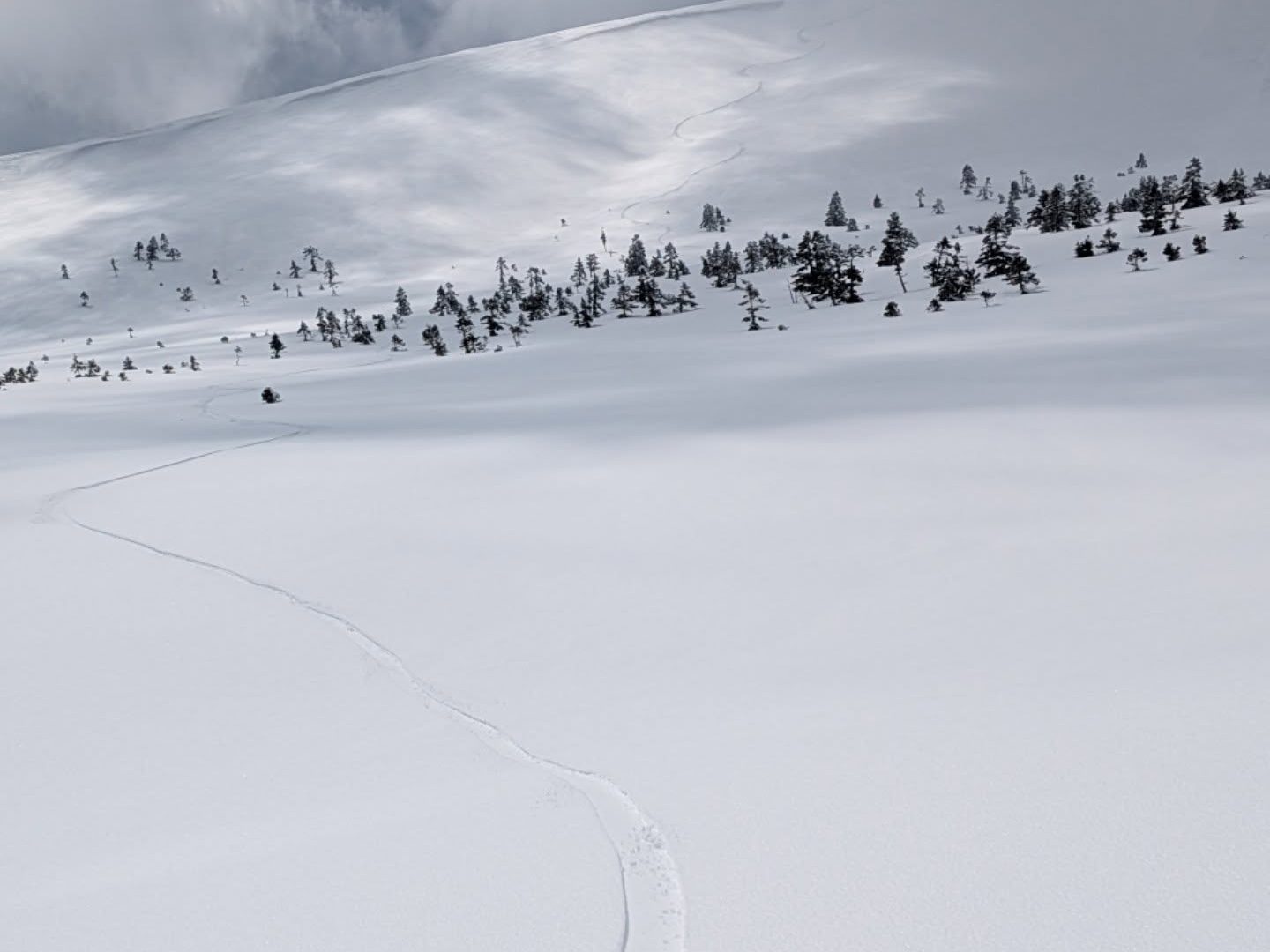
Until early May (mid-May for tour routes), Hakkoda is bustling with skiers and snowboarders enjoying spring skiing.
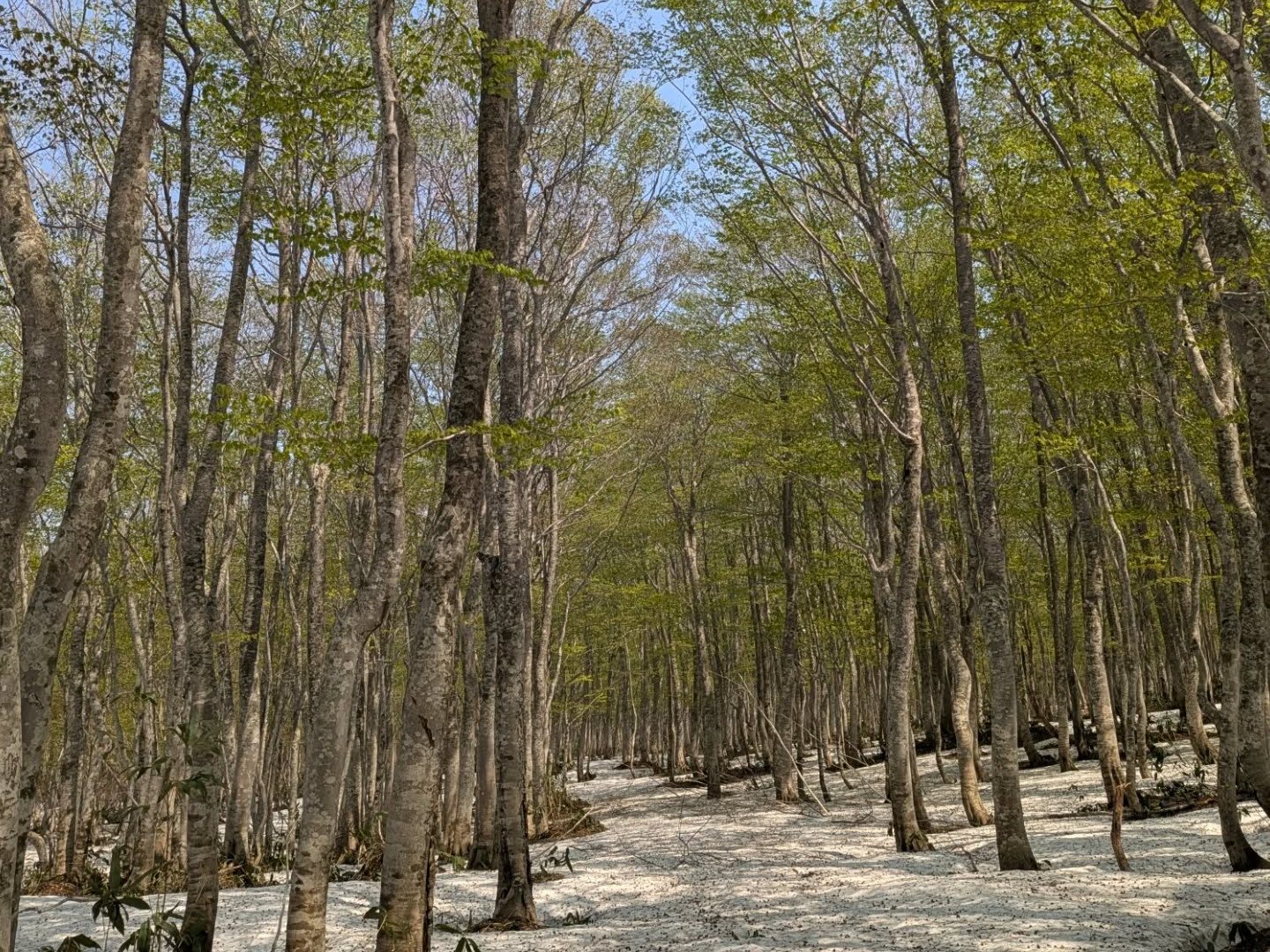
From mid-May, fresh greenery begins to emerge, especially among beech trees.
From late May to mid-June, clusters of Glaucidium palmatum (Japanese wood poppy) can be seen between Ropeway Towers No.1 and No.2.
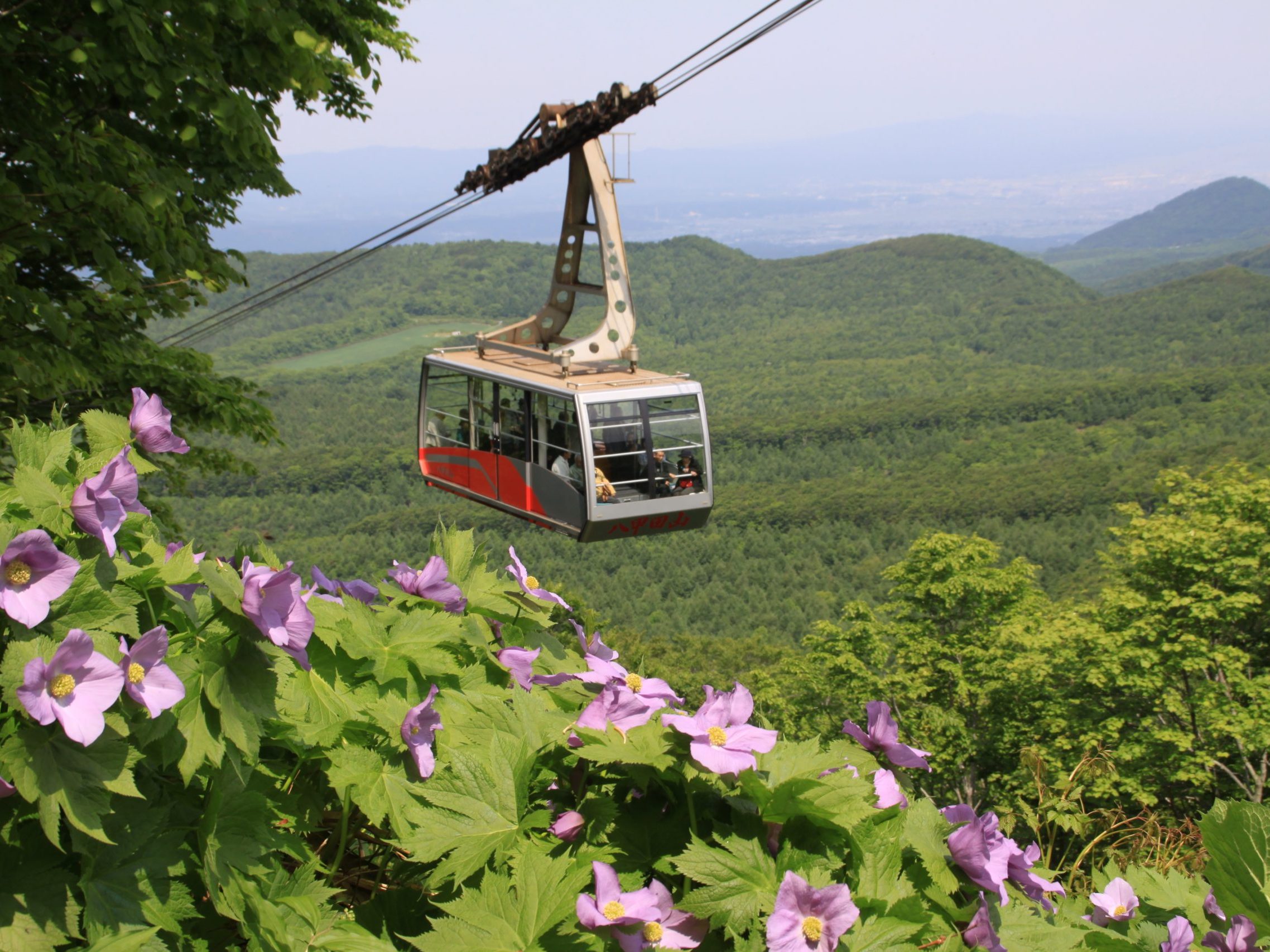

SUMMER From Spring to Summer
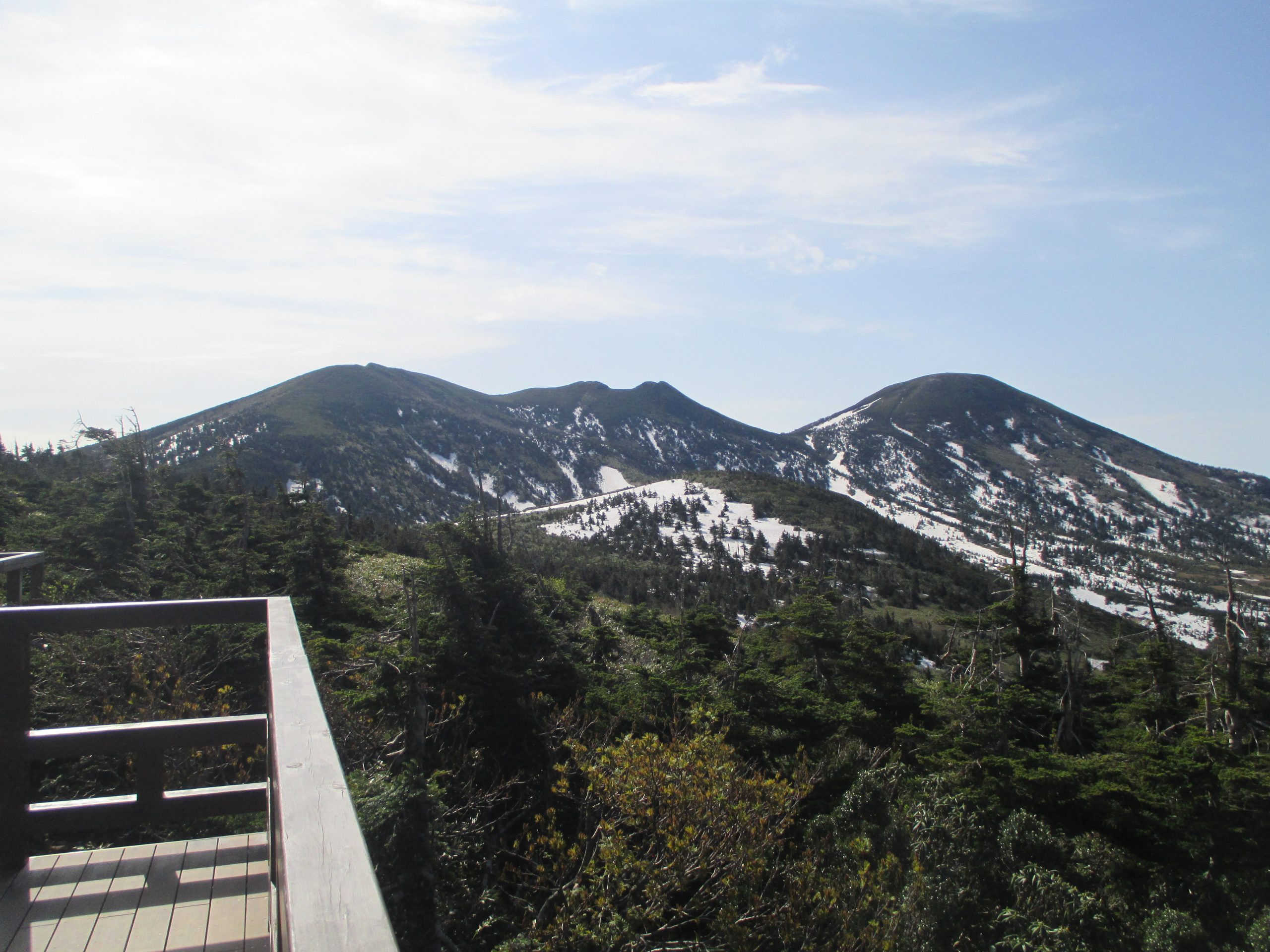
As both a high mountain area and a wetland, Mt. Hakkoda is home to a wide variety of alpine and marshland plants during this season.
Around Mt. Akakura, Mt. Ido, and Mt. Odake, visitors can find alpine flowers such as Pedicularis chamissonis, Aquilegia flabellata, and Diapensia lapponica.
Around Tamoyachi Marsh and Sancho Park Station, many alpine plants, including Akamono and Iwanashi, bloom from mid-May to early August. Near Kenashidai Marsh, visitors can also see Hina-zakura, Chinguruma, Iwakagami, and Kinkouka.


AUTUMN The Season of Beautiful Autumn Foliage
In autumn, Mt. Hakkoda becomes even more vibrant as beech, oak, maple, and white birch trees turn brilliant shades of red and yellow.
From late October to November, the first snowfall often arrives, creating a stunning contrast between autumn leaves and snow.


WINTER Into the Extreme Cold
As snow begins to accumulate in November, the winter season quickly arrives in Hakkoda.
Skiing and snowboarding are available from December through mid-May, offering an exceptionally long season suitable for everyone from beginners to advanced skiers.
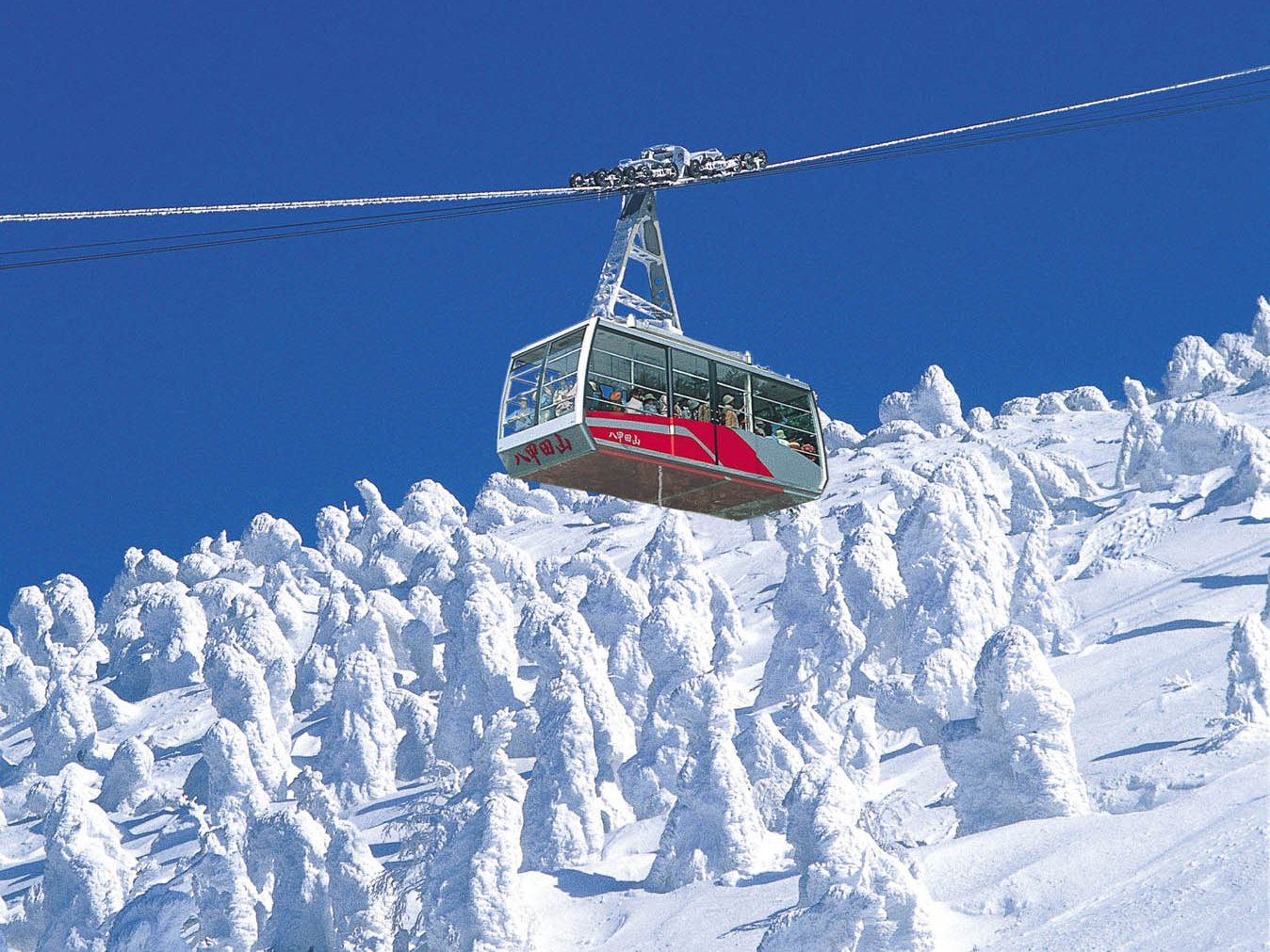
Aerial rides with views of the frost-covered trees (juhyō) are another highlight of Hakkoda’s winter.
Ice and snow gradually build up on the Aomori fir trees, forming massive frozen structures that eventually become the famous “Snow Monsters.”